
 Myopia management
 Dry Eye Treatment

How to Maximize Your Vision Benefits in Laredo Before the Year Ends
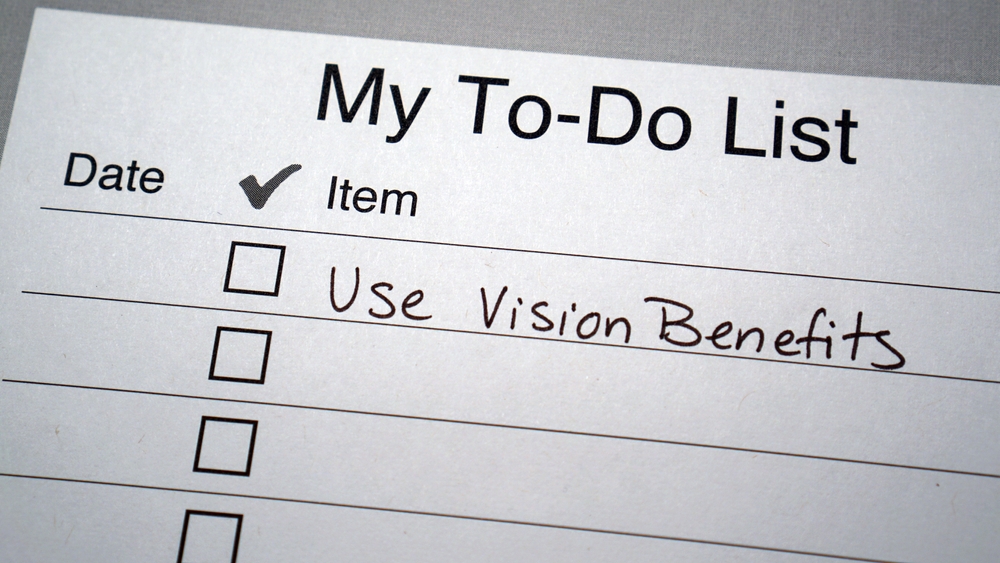
As the year comes to a close, many patients in Laredo are surprised to learn that unused vision benefits often expire on December 31. If you’ve been putting off an eye exam, updating your prescription, or ordering new eyewear, now is the perfect time to take advantage of the benefits you’re already paying for. With a little planning, you can protect your eye health and avoid leaving money on the table.
Understand What Your Vision Benefits Cover
Most vision plans renew annually and typically include:
• A comprehensive eye exam
• Allowances for glasses or contact lenses
• Discounts on lens upgrades, such as anti-reflective or blue light filtering coatings
These benefits usually do not roll over into the new year. If you don’t use them, they’re gone. Reviewing your plan now gives you time to schedule services and avoid the end-of-year rush.
Schedule Your Comprehensive Eye Exam
End-of-year appointments fill up quickly as many patients try to use their benefits at the last minute. Scheduling your eye exam sooner rather than later ensures:
• More appointment availability
• Time to address any vision changes or eye health concerns
• Enough time to order glasses or contacts before benefits expire
Even if your vision feels fine, a comprehensive eye exam can detect early signs of eye conditions that may not have noticeable symptoms.
Use Your Eyewear Allowance Wisely
If your plan includes an allowance for frames or lenses, now is the ideal time to use it. Consider:
• Updating an old prescription
• Ordering a second pair of glasses, such as prescription sunglasses
• Investing in specialized lenses for work, school, or screen use
Many plans also offer discounts on additional pairs, making it easier to get eyewear that fits different aspects of your lifestyle.
Don’t Forget About Contact Lens Benefits
If you wear contact lenses, check whether your plan includes a contact lens allowance. Even if you don’t need them immediately, ordering an annual supply before the end of the year can help you:
• Lock in your current prescription
• Reduce out-of-pocket costs
• Avoid price increases in the new year
Ask About Flexible Spending Accounts (FSA)
If you have an FSA, those funds often expire at the end of the year as well. Eye exams, glasses, contact lenses, and prescription sunglasses are typically FSA-eligible expenses. Using your remaining FSA dollars for vision care is a smart way to maximize your healthcare spending.
Check for Medical Eye Care Coverage
Some eye conditions, such as dry eye, eye infections, or sudden vision changes, may be covered under your medical insurance rather than your vision plan. Addressing these issues before the year ends could help you meet deductibles and reduce costs.
Start the New Year with Clear, Comfortable Vision
Maximizing your vision benefits before the end of the year is one of the easiest ways to protect your eye health while saving money. From comprehensive eye exams to updated eyewear and contact lenses, taking action now ensures you don’t lose benefits you’ve already earned.
If you’re in Laredo and want to make the most of your vision benefits before they expire, Texas State Optical is here to help. Our team can review your benefits, answer your questions, and ensure you get the care you need before the end of the year. Visit our office in Laredo, Texas, or call (956) 724-3242 to book an appointment today.
Quick Links
Helpful Articles
article_category: products
article_category: psychiatry
article_category: faqs
article_category: cats
article_category: general
article_category: services
article_category: technology
article_category: dogs
article_category: restorative
article_category: vision therapy
article_category: contact lenses
article_category: health
article_category: conditions
article_category: eye surgery co-management
article_category: exotic
article_category: cosmetic
article_category: surgical procedures
article_category: aesthetics
article_category: preventative
article_category: ocular disease management
article_category: eyeglasses
article_category: eye health
article_category: large animal
[]
article_category: psychiatry
article_category: faqs
article_category: cats
article_category: general
article_category: services
article_category: technology
article_category: dogs
article_category: restorative
article_category: vision therapy
article_category: contact lenses
article_category: health
article_category: conditions
article_category: eye surgery co-management
article_category: exotic
article_category: cosmetic
article_category: surgical procedures
article_category: aesthetics
article_category: preventative
article_category: ocular disease management
article_category: eyeglasses
article_category: eye health
article_category: large animal
[]
Flowbite is an open-source library of interactive components built on top of Tailwind CSS including buttons, dropdowns, modals, navbars, and more.
Check out this guide to learn how to get started and start developing websites even faster with components on top of Tailwind CSS.

All Eyecare Services
We offer a wide variety of eye care services to the Laredo community. Contact us with any questions about our services.

Keep In Touch
For non-urgent questions or to learn more about our services, contact us today!

Contact Information
Office Hours
Walk-ins are Welcome
- Monday 9:00am - 5:00pm
- Tuesday 9:00am - 5:00pm
- Wednesday 9:00am - 5:00pm
- Thursday 9:00am - 5:00pm
- Friday 9:00am - 5:00pm
- Saturday 8:30am - 1:00pm
- Sunday Closed
- Monday
- Tuesday
- Wednesday
- Thursday
- Friday
- Saturday
- Sunday
- Monday
- Tuesday
- Wednesday
- Thursday
- Friday
- Saturday
- Sunday
© 2026 Texas State Optical. All rights Reserved - Accessibility Statement - Privacy Policy - Sitemap
Managed and Designed by